3 Types of Brand Benefits
A Practical Guide for Modern Marketing
Last weekend, I pulled down a tattered, beat-up vegan cookbook I’ve had for years (a bit embarrassed to say it’s been a while since I’ve stepped into the kitchen; but who has time these days?).
So anyway, as I leafed through the cookbook, it dawned on me why I've never replaced it: the recipes are simple and timeless, perfect for busy schedules.
Not to mention, the photos and engaging stories make me want to cook. I don’t have to worry about involved meals or surprises on busy weeknights. And leaving it open on the counter also says something about the kind of vibe and ambience my home offers.
It took me a second before I realized that something about that mix ties into how strong brands create value:
It’s simple, it creates joy, and it’s meaningful.

In my last post, I argued that brand strategy is about building a presence, not just a look. That “brand” is more than logos, taglines, and vibes. It’s the substance and value people experience and remember.
This post is the next step: how that presence gets built through benefits.
I’ve drawn on key ideas from The Brand Benefits Playbook by Drs. Allen Weiss and Debbie J. MacInnis, but have provided my own examples to better illustrate how brand benefits play out in the real world.
The playbook’s central message?
Brands create value by delivering benefits (functional, experiential, and symbolic), which help you achieve outcomes that matter.
If you organize your strategy around these benefits, you can sharpen differentiation and grow more reliably as a brand.
What a Brand is, Depending on Where You’re Standing
To a company, a brand is a revenue-generating engine. It creates economic value.
To customers, a brand is shorthand for expected outcomes.
And those outcomes are benefits.
They help people accomplish what they set out to do and avoid the hassles along the way.
Some benefits are simply baked into the product. Others show up in the buying experience.
And many are realized in use (comfort, ease, delight, peace of mind).
Benefits, Features, and Goals are not the same thing
It helps to separate the three actors in this story:
Features are the ingredients of your offering.
Benefits are the meal: what those ingredients do for customers.
Goals and pain points are the reasons someone sits down to eat in the first place.
If you talk only about features, you’re asking customers to do the translation work. If you fixate only on goals (“save time,” “reduce stress”), you can miss the specific outcomes you can deliver to achieve them.
Benefits are the bridge.
Where Benefits Show Up (and How Customers Talk About Them)
Take a moment to read some reviews. You’ll notice a pattern.
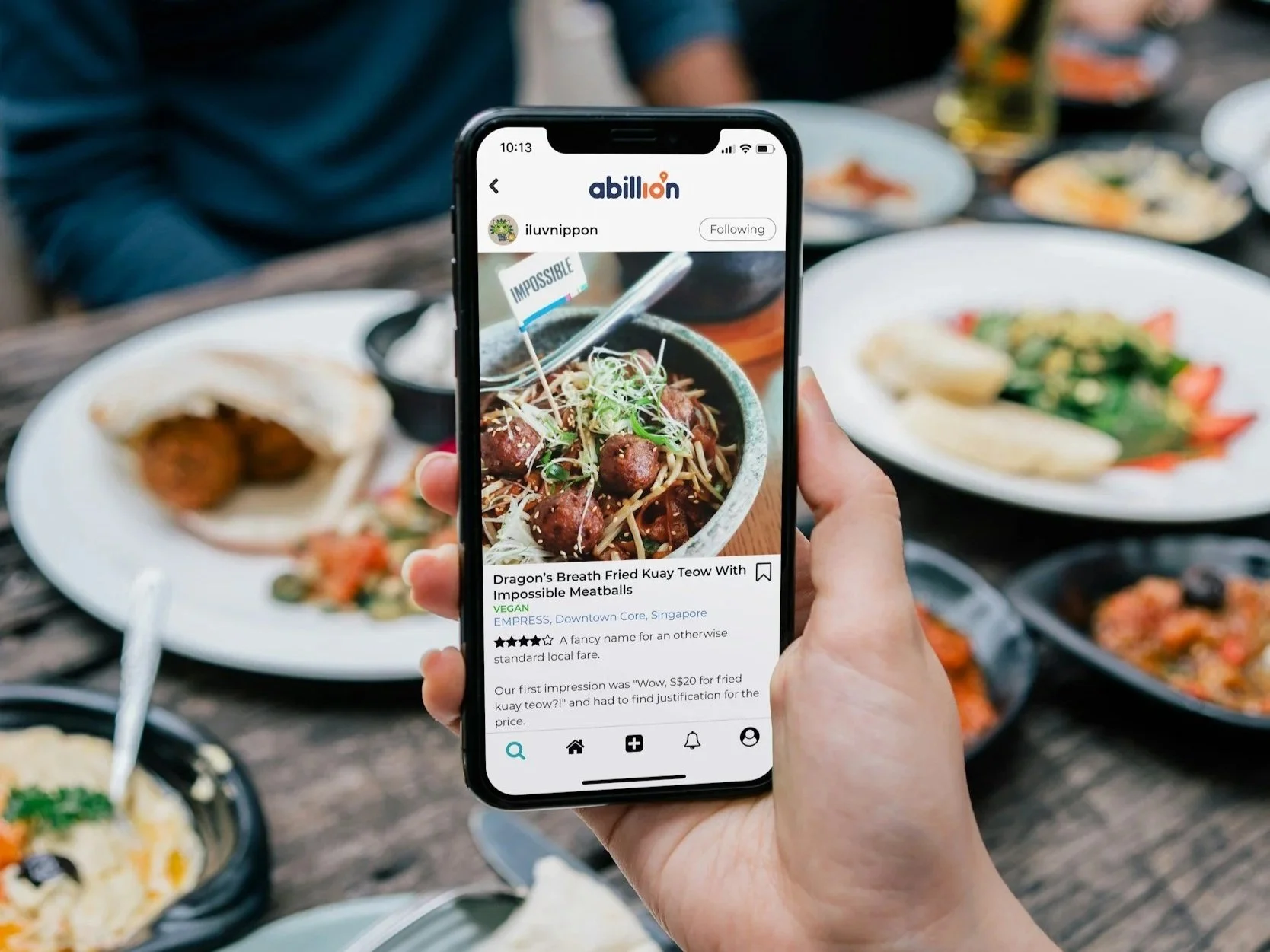
People will usually rave about speed, comfort, reliability, clarity, and ease.
They compare how the brand made them feel or what it helped them do.
Let’s examine some patterns that sort neatly into three types of brand benefits.
The Three Types of Benefits
Most strong brands blend all three. The key is understanding how you mix them and then delivering them intentionally.
1. Functional Benefits
These are the workhorses. They fix problems, reduce friction, and help customers conserve scarce resources like time, money, attention, and effort. They make people feel more in control of their world.
Common functional wins:
Reliability and longevity
Convenience and speed
Safety and protection
Clear, trustworthy information
It’s also best to think in systems, not silos.
Often, customers get value from a set of connected products: a “usage system,” for instance.
Take your camera (other than the one on your phone). It’s only as good as the lens, the editing software, and the storage workflow. If you sell just one piece, compatibility becomes a functional benefit in itself. People judge the outcome at the system level, not the part level.
In Practice: Toms
In a past blog, I detailed how Toms uses storytelling to attract their target customers.
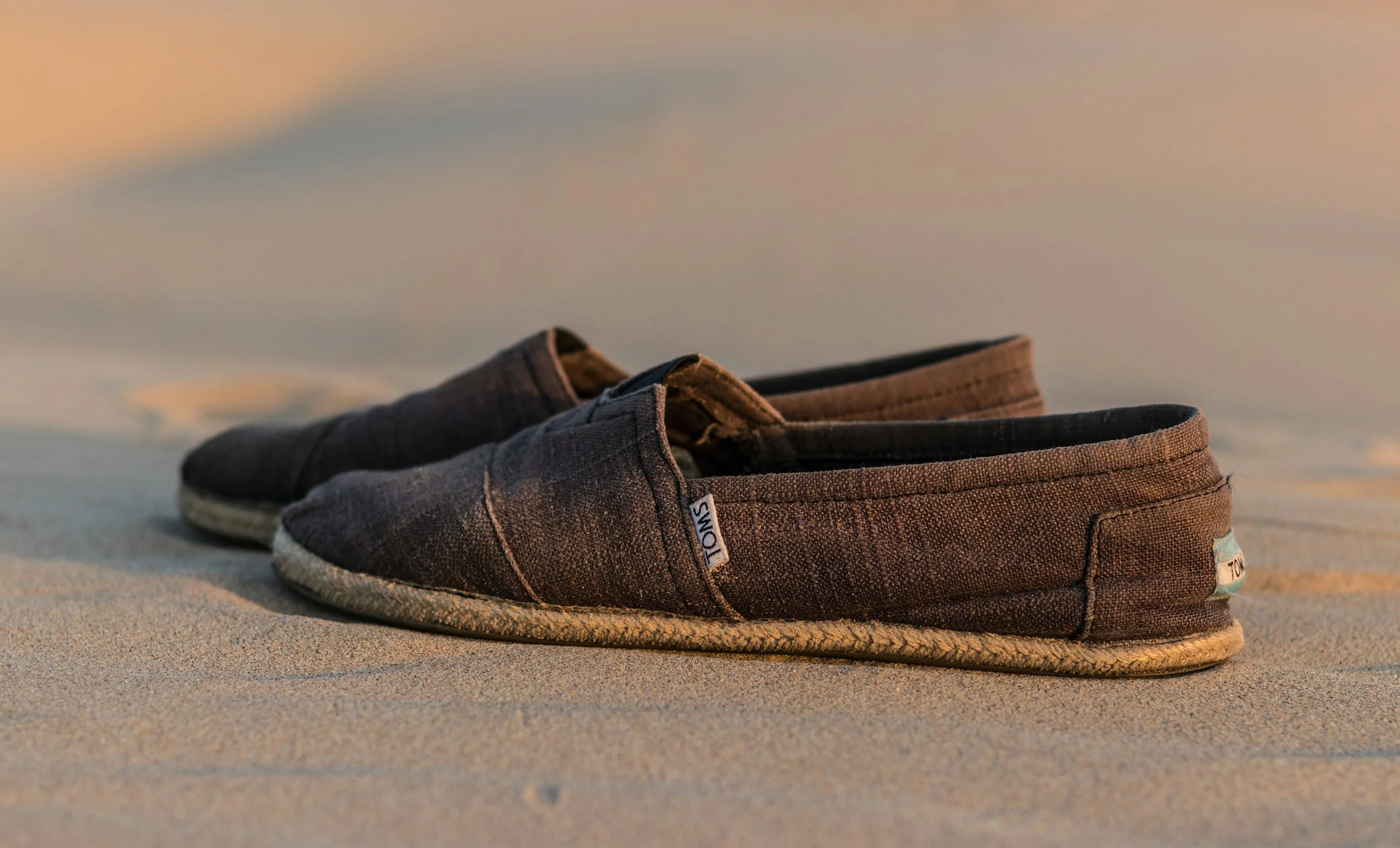
When it comes to branding, they achieve functional loyalty with low-friction shoes for everyday life.
The iconic slip‑on design eliminates laces and break‑in time, so you’re out the door in a matter of seconds.
Not to mention their lightweight materials and cushy insoles keep errands and commutes comfortable.
The online experience is also straightforward: clear sizing, simple checkout, and easy returns. Buying and replacing a staple is a task you can do on autopilot. That means less decision fatigue.
2. Experiential Benefits
These benefits live in the senses, the mind, and the mood.
A beautifully designed object that feels great in the hand. A comedy special that resets your week. A nonprofit’s update that makes you feel genuinely moved about the impact of your donation.
These benefits can entertain, calm, engage, reassure, or simply make the moment better.
Experiential payoffs can make customers feel:
Engaged, stimulated, or delighted
Relaxed, soothed, or reassured
Warmhearted, nostalgic, or inspired
If you strategically design for these feelings, you’ll turn everyday touchpoints into memorable moments that customers remember and come back for more.
In Practice: Patagonia
Yes, Patagonia gear is built to last (a functional win), but the experience is what lingers.

The hand‑feel of a well‑made fleece, the quiet glide of a zipper, and the way layers sit just right. These sensory cues make you feel “trail‑ready” before you step outside.
Their product pages read like field notes, which pulls your imagination outdoors and boosts confidence in your choice.
Worn Wear repairs turn scrapes and patches into stories, so your jacket becomes a companion with a history.
Stores, films, and photography immerse you in alpine light and cold air (an atmosphere that makes you want to plan the next morning hike).
3. Symbolic Benefits
These connect to identity: who we are, who we’ve been, and who we want to become.
They create a sense of belonging and align with values. Sometimes the benefit is the feeling of doing right by your principles.
Symbolic wins look like:
Membership in a club or community
Alignment with personal or social values
Signals of competence, taste, or aspiration
In Practice: Oatly
Oatly wraps plant‑based choices in a clear identity.
The packaging talks like a person (wry, a little irreverent), which helps you feel part of a future‑minded crowd.

“It’s like milk but made for humans” draws a bright line, so your carton signals climate‑forward values without a lecture.
In many markets, on‑pack climate information turns a small habit into a statement of intent every time you open the fridge.
Oatly is a beverage, but it also broadcasts who you are and where you think things should be headed.
Some Brands Integrate all Three
Consider Patagonia:
Gear built to last and be repaired (functional). A brand world that makes you want to get outside (experiential). And a clear commitment to environmental responsibility (symbolic).
Their brand is stronger because each layer amplifies the others.
Why This Matters Beyond Your Next Campaign
A benefits‑first view isn’t new, but it’s definitely underused. And it’s far from a messaging trick. As Weiss and MacInnis show, brand benefits are the currency of choice.
Define the benefits you will own, deliver them consistently across the journey, and measure them relative to what customers value most.
If you own the benefits, the brand will follow.
Further reading
The Brand Benefits Playbook by Drs. Allen Weiss and Debbie J. MacInnis
For more content marketing strategies and storytelling insights, feel free to explore the rest of my blog.